
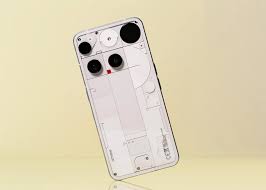
Have you ever held off on buying a new gadget, waiting for that perfect moment when the price finally drops or a new model is announced? That’s often the feeling when a highly anticipated phone is on the horizon. For many tech enthusiasts, the upcoming Nothing Phone 3 is generating a lot of buzz.
Understanding the potential nothing phone 3 price is key for those looking to upgrade. This post will break down what you can expect regarding its cost, helping you budget and make informed decisions before launch.
Key Takeaways
- Expected price range for the Nothing Phone 3.
- Factors influencing the Nothing Phone 3 price.
- How the Nothing Phone 3 price compares to previous models.
- Potential regional price differences for the Nothing Phone 3.
- Tips for getting the best deal on the Nothing Phone 3.
Understanding Nothing Phone 3 Price Factors
The cost of any new smartphone, including the anticipated Nothing Phone 3, is shaped by a variety of elements. These can range from the components used in its construction to the overall economic climate. Companies like Nothing consider many things when setting a price point.
They aim to balance the desire to offer a competitive product with the need to cover development and manufacturing expenses. Consumer demand also plays a significant role; if a device is expected to be very popular, manufacturers might adjust their pricing strategy accordingly.
The choice of processor, screen technology, camera sensors, and build materials are major cost drivers. Higher-end components generally lead to a higher price tag. For instance, a flagship processor capable of handling intensive tasks will naturally cost more than a mid-range chip.
Similarly, advanced display technologies like OLED can increase manufacturing costs compared to LCD screens. The materials used for the phone’s body, such as premium metals or durable glass, also contribute to the overall expense. Nothing has a history of focusing on design and unique aesthetics, which can sometimes add to production costs but also justify a premium.
Marketing and research and development (R&D) expenses are also factored into the final price. Developing new technologies and features requires substantial investment. Companies need to recoup these costs through product sales.
Furthermore, the company’s brand positioning and target market influence pricing. If Nothing aims for the premium segment, prices will reflect that. If they target a more budget-conscious audience, they will need to find ways to optimize costs without sacrificing too much on quality.
Component Costs
The internal hardware of a smartphone is a significant determinant of its final price. For the Nothing Phone 3, the processor will likely be a key factor. If Nothing opts for a top-tier Snapdragon or MediaTek chipset, this component alone can add a considerable sum to the manufacturing cost.
These advanced processors offer superior performance for gaming, multitasking, and AI tasks, but they come with a higher price tag. The display is another crucial element. A high-refresh-rate OLED panel, which offers vibrant colors and deep blacks, is more expensive than a standard LCD screen.
The quality of the camera sensors, including the main lens, ultrawide, and telephoto capabilities, also impacts the cost. Larger sensors and advanced image processing capabilities require more sophisticated and costly components. Storage and RAM options also affect pricing; models with higher capacities will naturally cost more.
The research and development phase for a new smartphone is extensive. Engineers and designers spend countless hours creating and refining the device. This includes designing the user interface, optimizing software performance, and ensuring hardware compatibility.
Testing for durability, battery life, and network connectivity is also a critical part of R&D. The costs associated with these processes are amortized over the units sold, thus influencing the final nothing phone 3 price. Innovations in areas like under-display cameras, faster charging technologies, or advanced cooling systems demand significant R&D investment, which will be reflected in the price.
Key component influences on price:
- Processor A high-performance processor, like a flagship Snapdragon or MediaTek chip, significantly increases manufacturing costs due to its advanced capabilities and efficiency. This allows for smoother operation in demanding applications and games.
- Display Technology Premium displays, such as AMOLED panels with high refresh rates (e.g., 120Hz or more), offer superior visual experiences with vibrant colors and fluid motion. These panels are more expensive to produce than standard LCD screens.
- Camera System The quality and number of camera sensors are major price determinants. Advanced camera modules with larger sensors, optical image stabilization, and sophisticated lens arrangements are costly to integrate.
- Memory and Storage Higher RAM and internal storage capacities directly impact the bill of materials. More memory allows for better multitasking, while larger storage enables users to keep more apps, photos, and videos on their device.
- Build Materials The choice of materials for the phone’s body, such as aerospace-grade aluminum, stainless steel, or reinforced glass, affects both durability and cost. Premium materials contribute to a higher price point.
Brand Positioning and Market Strategy
Nothing has carved out a niche for itself by focusing on distinctive design and a clean user experience. This strategy often places it in a competitive segment of the market. The company’s approach to transparency and user engagement also seems to influence its pricing.
By emphasizing a unique aesthetic and a commitment to a bloatware-free Android experience, Nothing aims to attract a discerning customer base. This can allow them to command a price that reflects the perceived value and innovation, rather than solely competing on price.
The company’s launch strategy for previous devices, like the Nothing Phone (1) and Phone (2), suggests a tiered approach to pricing. They often introduce a base model and then offer variants with increased storage or RAM at higher price points. This strategy caters to different customer needs and budgets, while also maximizing revenue potential.
The nothing phone 3 price is likely to follow a similar pattern. Early adopters and those seeking the absolute best specifications might be willing to pay a premium for the initial release, while later price adjustments or special offers could make it more accessible.
Market research and competitive analysis are vital in determining a smartphone’s price. Nothing will analyze what competitors in a similar segment are charging for their devices. They will also consider the price sensitivity of their target audience.
If the market indicates a willingness to pay more for unique features and design, Nothing may price the Phone 3 accordingly. Conversely, if the market is highly price-sensitive, they might aim for a more aggressive price point to gain market share. The success of previous models can also inform this decision.
Positive reception and strong sales of older devices might give Nothing confidence to price its new offerings competitively but firmly within its brand identity.
Factors in brand positioning and market strategy:
- Brand Identity Nothing’s focus on unique, minimalist design and transparent software experience positions it as a premium, yet accessible, brand. This perceived value can justify a specific price range.
- Target Audience The company appeals to tech enthusiasts and consumers looking for something different from mainstream brands. This audience might be willing to pay for innovative design and a refined user interface.
- Competitive Landscape Pricing is heavily influenced by what other manufacturers offer in the same price bracket. Nothing will benchmark its device against key competitors to ensure its pricing is attractive yet profitable.
- Product Tiers Offering different storage and RAM configurations allows for a varied nothing phone 3 price structure. This caters to a wider range of consumers and maximizes sales volume.
- Launch Promotions Initial launch offers, trade-in programs, or early bird discounts can influence immediate sales and consumer perception of value.
Previous Model Pricing as a Benchmark
Looking at the pricing history of Nothing’s previous smartphones provides a strong indication of what to expect for the Nothing Phone 3. The original Nothing Phone (1) launched with a starting price of around $469 in the US and £399 in the UK. This set a precedent for a mid-range to upper-mid-range device that offered unique features and design at a competitive cost.
It aimed to disrupt the market by offering a premium feel without the flagship price tag.
The Nothing Phone (2) saw a slight increase in price, launching with a starting point of $599 in the US and £579 in the UK. This adjustment reflected the introduction of more premium components, an improved processor, and enhanced features. The company demonstrated a willingness to increase prices as they upgraded the hardware and capabilities of their devices.
This suggests that the nothing phone 3 price will likely be positioned above the Phone (2), especially if it incorporates further significant hardware advancements.
The price increments between generations are not just arbitrary. They are often tied to the R&D costs, manufacturing expenses for newer components, and the overall market positioning Nothing wishes to achieve. If the Nothing Phone 3 aims to compete with more established flagship killer devices, a price point in the $600-$800 range might be anticipated.
The specific configurations, such as storage and RAM, will also dictate the variations in price. A model with 12GB of RAM and 256GB of storage will inevitably cost more than a base model with 8GB of RAM and 128GB of storage. These historical trends are invaluable for predicting the forthcoming pricing structure.
Nothing Phone (1) Launch Price
The Nothing Phone (1) was introduced to the market with a starting price that positioned it as a compelling option in the upper-mid-range segment. In the United States, the base model, typically featuring 8GB of RAM and 128GB of storage, was priced at approximately $469. The UK and European markets saw similar pricing, with the device retailing around £399 and €469 respectively.
This initial pricing strategy was crucial for Nothing. It aimed to attract early adopters and consumers looking for a device with a distinctive design and a clean software experience without venturing into the premium flagship price territory. The Glyph Interface, with its unique light patterns, was a key selling point that differentiated it from competitors.
This pricing allowed Nothing to gain a foothold in a highly competitive smartphone market. It sent a message that innovation and unique design could be offered at a more accessible price point compared to established brands’ high-end offerings. The phone was designed to offer a balanced experience, focusing on core functionalities and a refined user interface.
The choice of components, while not cutting-edge flagship level, was optimized for performance and efficiency, contributing to the attractive nothing phone 3 price point that consumers were willing to pay. The initial reception suggested that this strategy was successful in generating interest and sales.
Key aspects of Nothing Phone (1) pricing:
- Market Position Launched in the upper-mid-range segment, aiming for a balance of features, design, and price.
- Global Pricing Started around $469 USD, £399 GBP, and €469 EUR for the base configuration.
- Value Proposition Offered a distinctive design (Glyph Interface) and clean software at a competitive price, differentiating itself from rivals.
- Component Selection Utilized efficient but not top-tier components to maintain cost-effectiveness, enabling a lower retail price.
- Competitive Entry Provided an attractive entry point for consumers seeking alternatives to mainstream flagship devices.
Nothing Phone (2) Price Adjustments
When Nothing launched its second smartphone, the Nothing Phone (2), there was a noticeable shift in its pricing strategy. The starting price for the Phone (2) in the United States was $599 for the 8GB RAM and 128GB storage variant. This represented an increase of approximately $130 compared to the launch price of the Phone (1).
In the UK, the starting price was £579, also reflecting an upward adjustment from its predecessor. This price hike was widely seen as a reflection of several upgrades and improvements incorporated into the new model.
The Phone (2) featured a more powerful processor, the Snapdragon 8+ Gen 1, which is a significant step up from the Snapdragon 778G+ in the Phone (1). It also boasted a refined design, a brighter and more advanced display, and improved camera capabilities. The enhanced Glyph Interface, with more LED zones and customization options, also contributed to the perceived value and likely influenced the increased nothing phone 3 price expectations.
The decision to increase the price suggests that Nothing is aiming to move further into the premium segment, offering a more competitive device against higher-priced smartphones.
The pricing of the Phone (2) also varied across different storage and RAM configurations. For instance, models with more RAM and storage capacity commanded higher prices. This tiered pricing approach is common in the industry and allows consumers to choose a device that fits their specific needs and budget.
The increase in price for the Phone (2) did not seem to deter potential buyers, as the device was generally well-received for its performance and feature set, indicating that consumers found the increased cost justifiable for the upgrades provided. This provides a strong indicator for future pricing.
Key aspects of Nothing Phone (2) pricing adjustments:
- Price Increase The Phone (2) launched at a higher price point, starting around $599 USD and £579 GBP for the base model.
- Hardware Upgrades The price increase was largely attributed to a more powerful processor (Snapdragon 8+ Gen 1), improved camera system, and enhanced display.
- Premium Positioning This adjustment signaled Nothing’s intent to compete more directly with higher-tier smartphones.
- Configuration Variations Like its predecessor, the Phone (2) offered different price points based on RAM and storage configurations.
- Market Acceptance Despite the price hike, the Phone (2) was generally well-received, suggesting consumers found the upgrades justified the cost.
Projected Nothing Phone 3 Price Range
Based on the trajectory of its predecessors, the Nothing Phone 3 price is expected to continue this upward trend, albeit possibly with more modest increases. The Nothing Phone (1) started competitively, and the Nothing Phone (2) saw a significant, but justified, price bump. For the Nothing Phone 3, it is reasonable to anticipate a starting price that is slightly higher than the Phone (2).
If the Phone (2) started at $599, the Phone 3 could potentially begin in the $649 to $699 range for the base model in the US market.
This projected price reflects the ongoing incorporation of advanced technology and refined user experience that Nothing strives for. Manufacturers consistently upgrade components such as processors, camera sensors, and display technology with each new generation. These upgrades come with increased manufacturing costs.
Furthermore, Nothing’s commitment to its unique design language and software optimization requires continuous investment. The nothing phone 3 price will likely be influenced by these development costs, along with market demand and competitor pricing.
It is also important to consider that regional pricing can vary significantly due to factors like import duties, taxes, currency exchange rates, and local market strategies. For example, prices in Europe might be higher due to VAT, while prices in India could be structured differently based on local competition and consumer purchasing power. Users in different regions should be prepared for potential price variations when the Nothing Phone 3 is officially announced.
Potential US Pricing
In the United States, the Nothing Phone 3 is likely to follow a pricing structure similar to its predecessor, the Phone (2), but with a probable increase. Given that the Phone (2) launched with a starting price of $599 for the 8GB RAM/128GB storage model, the Nothing Phone 3 could see its base price begin between $649 and $699. This anticipated increase is driven by several factors.
Companies often reinvest in more advanced processors, improved camera systems, and potentially new display technologies with each iteration.
The company’s consistent effort to refine its distinctive design and software experience also contributes to R&D costs, which are then reflected in the product’s price. If Nothing introduces significant new features or upgrades key hardware components substantially, a higher price point becomes more plausible. For example, if they opt for a next-generation flagship processor or a significantly enhanced camera module, these components alone can add to the manufacturing cost.
The nothing phone 3 price will also be influenced by the competitive landscape in the US market, aiming to strike a balance between perceived value and market competitiveness.
It is also common for manufacturers to offer multiple configurations of a device, with higher storage and RAM options coming at a premium. A model with 12GB of RAM and 256GB of storage for the Nothing Phone 3 could easily be priced around $749-$799, while an even higher-tier model might push closer to $850. These price points would position the Nothing Phone 3 as a strong contender in the premium mid-range to affordable flagship category, offering a unique alternative to more established brands.
Projected US pricing tiers:
- Base Model (8GB RAM / 128GB Storage) Expected to range from $649 to $699, reflecting incremental hardware upgrades and inflation.
- Mid-Tier Model (12GB RAM / 256GB Storage) Likely priced between $749 and $799, offering increased memory and storage for demanding users.
- Top-Tier Model (12GB RAM / 512GB Storage) Potentially reaching $849 or more, this configuration would cater to users seeking maximum performance and storage capacity.
- Regional Variations Prices may differ slightly in certain regions due to taxes, import duties, and carrier partnerships.
- Launch Promotions Early bird discounts or bundle offers could temporarily lower the effective purchase price for initial buyers.
European and UK Pricing Estimates
In Europe, the Nothing Phone 3 is expected to see a price range reflecting its US counterparts, adjusted for Value Added Tax (VAT) and regional market dynamics. If the base model in the US is projected to start around $649-$699, this could translate to approximately €649-€699 for the base configuration in many European countries. However, VAT rates vary significantly across the EU, with some countries like Germany having lower rates (19%) while others like Denmark have higher rates (25%).
This will directly impact the final consumer price.
For the UK market, the trajectory suggests a starting price for the Nothing Phone 3 likely to be above the £579 of the Phone (2). A reasonable estimate for the base model would be somewhere in the £629 to £679 range. This increase accounts for potential hardware enhancements, inflation, and the continued effort by Nothing to solidify its position in the competitive UK smartphone market.
The company’s strategy of offering a distinctive design and a clean software experience aims to justify this premium over more generic offerings.
The nothing phone 3 price in these regions will also depend on the specific configurations offered. Similar to the US, models with higher RAM and storage will command higher prices. For instance, a 256GB version in Europe might be around €750-€800, and in the UK, it could be between £699-£749.
These estimates are based on historical pricing trends and the general economic factors affecting consumer electronics in these key markets. Consumers in these regions should keep an eye on official announcements for precise pricing details closer to the launch date.
Estimated pricing for Europe and UK:
- European Base Model (€) Expected to range from €649 to €699, subject to local VAT rates and currency fluctuations.
- UK Base Model (£) Likely to start between £629 and £679, an increase from the Phone (2)’s launch price.
- Higher Configurations Models with increased storage and RAM will be priced accordingly, adding €50-€100 or £50-£100 per tier in each region.
- Market Competitiveness Pricing will be influenced by comparable devices from other manufacturers available in these markets.
- Official Announcements Precise pricing will be confirmed by Nothing closer to the product’s official release date.
Tips for Securing the Best Price
When the Nothing Phone 3 eventually launches, securing it at the best possible price will be a priority for many. Several strategies can help you achieve this, ensuring you get the most value for your money. The most straightforward approach is to pre-order the device, as manufacturers and retailers often offer exclusive bundles or early bird discounts to incentivize initial purchases.
These deals can include free accessories like earbuds or charging bricks, which are increasingly sold separately.
Another effective method is to monitor pricing across different retailers. The nothing phone 3 price might vary slightly between official Nothing channels, major electronics retailers, and carrier stores. Keeping an eye on sales events, such as Black Friday or Cyber Monday, can also lead to significant savings, although this typically requires patience and waiting for post-launch discounts.
Additionally, consider trade-in programs. If you have an older smartphone, trading it in towards the purchase of the Nothing Phone 3 can substantially reduce the overall cost.
Finally, staying informed about any official promotions or student discounts can be beneficial. Nothing, like many tech companies, may offer special pricing for students or specific professional groups. Subscribing to newsletters from Nothing and reputable tech news outlets will ensure you are among the first to know about any price drops or special offers.
This proactive approach will help you snag the Nothing Phone 3 at an attractive price point.
Leveraging Pre-Order Bonuses
Pre-ordering a new smartphone often comes with distinct advantages, and the Nothing Phone 3 is likely to be no exception. Manufacturers frequently use pre-order campaigns to build initial hype and secure early sales. For the Nothing Phone 3, this could translate into attractive bonuses such as complimentary accessories.
For example, Nothing might bundle its own earbuds, like the Ear (stick) or a future iteration, with pre-orders. Alternatively, a free fast charger, which is becoming a common omission from phone boxes, could be included.
These bonuses not only add value to the purchase but also effectively lower the overall cost of acquiring the device and its ecosystem. The nothing phone 3 price might remain the same, but receiving accessories worth $50-$100 for free significantly enhances the value proposition. It’s crucial to check the official Nothing website and major retail partners for specific pre-order offers as soon as they are announced.
Sometimes, these offers are time-limited, meaning acting quickly is essential to take advantage of them.
Furthermore, some retailers might offer exclusive trade-in deals specifically for pre-orders. This means you could potentially get a better trade-in value for your old device when you pre-order the Nothing Phone 3 compared to trading it in later. Keeping an eye on these bundles and promotions can lead to substantial savings, making the upgrade more affordable.
Remember to compare offers from different sources to ensure you are getting the most favorable deal available.
Benefits of pre-order bonuses:
- Included Accessories Freebies like wireless earbuds, fast chargers, or protective cases can be bundled with pre-orders.
- Early Access Pre-ordering often guarantees you receive the device on launch day or shortly after, before general availability.
- Exclusive Deals Some offers might be exclusive to pre-order customers, not available at later sales events.
- Enhanced Value These bonuses effectively reduce your out-of-pocket expense by providing additional products at no extra charge.
- First Dibs Securing your device early ensures you get the desired color or configuration before they potentially sell out.
Waiting for Sales and Discounts
Patience can often be a virtue when it comes to acquiring new technology, and this applies to the Nothing Phone 3. While the initial launch price might be higher, waiting for subsequent sales events can lead to considerable savings. Major shopping holidays like Black Friday, Cyber Monday, and even seasonal sales throughout the year often see significant price reductions on electronics.
For instance, a device launched in the spring might see its first notable discount during the winter holiday season.
Retailers such as Amazon, Best Buy, and others frequently participate in these sales, offering discounts on popular smartphone models. The nothing phone 3 price could drop by 10-20% or more during these periods. Additionally, keep an eye out for carrier-specific deals.
Mobile carriers often offer subsidies, discounts, or attractive contract plans that can make purchasing a new phone more affordable, especially when bundled with a new service plan. These promotions can sometimes be more generous than direct retail discounts.
It is also worth monitoring price tracking websites and browser extensions. These tools can alert you when a product’s price drops below a certain threshold or show you historical pricing trends, helping you determine the best time to buy. While waiting might mean delaying your purchase, the financial benefit can be substantial, making the Nothing Phone 3 accessible to a wider audience over time.
Strategies for waiting for discounts:
- Major Sales Events Target holidays like Black Friday, Cyber Monday, Prime Day, and seasonal sales for potential price drops.
- Retailer Comparison Check prices across multiple online and physical retailers, as discounts can vary.
- Carrier Deals Explore offers from mobile carriers, which may include subsidized pricing or bundled plans.
- Price Tracking Tools Use price monitoring websites or extensions to get alerts for price reductions.
- Patience for Value Recognize that initial launch prices often decrease over time, offering better value for patient buyers.
Trade-In Programs and Bundles
Maximizing the value of your current device by using trade-in programs can significantly reduce the effective nothing phone 3 price. Many manufacturers and retailers offer credit for your old smartphone when you purchase a new one. Nothing itself, or its retail partners, may provide an official trade-in service for the Nothing Phone 3.
The value offered will depend on the model, condition, and age of your old phone. It’s advisable to research the trade-in value of your current device from multiple sources, including the manufacturer, major retailers, and third-party buyback services, to ensure you get the best possible offer.
Beyond trade-ins, look out for bundled offers. These are packages that combine the new phone with other complementary products, often at a discounted combined price. For instance, a bundle might include the Nothing Phone 3, a pair of Nothing’s wireless earbuds, and a protective case.
While the individual prices of these items might add up to more than the bundled price, it provides a convenient way to acquire essential accessories along with your new phone. These bundles can represent excellent value, especially if you were planning to purchase these accessories separately anyway.
Comparing the total cost of purchasing the phone and accessories individually versus buying a bundle is crucial. Sometimes, a bundle offers genuine savings, while other times, it might simply be a way for retailers to move inventory. Always check if the bundled accessories are items you actually need or want.
This holistic approach to purchasing, considering trade-ins and bundles, can make the acquisition of the Nothing Phone 3 much more cost-effective.
Ways to use trade-ins and bundles:
- Device Trade-In Exchange your old smartphone for credit towards the purchase of the Nothing Phone 3.
- Manufacturer Programs Check Nothing’s official website for their specific trade-in offers and values.
- Retailer Partnerships Major electronics stores and online retailers often have their own trade-in services.
- Bundled Deals Look for packages that include the phone with accessories like earbuds, chargers, or cases at a reduced combined price.
- Value Assessment Compare trade-in values and bundle savings against purchasing items separately to ensure the best overall deal.
Common Myths Debunked
Myth 1: The Nothing Phone 3 Will Be Significantly Cheaper Than Competitors
This is a common misconception. While Nothing aims to offer competitive pricing and unique value, its strategy is not solely focused on being the cheapest option. The company invests in distinctive design, build quality, and a clean software experience, which inherently carry costs.
The Nothing Phone (2) saw a price increase over its predecessor, indicating a move towards a more premium segment rather than aggressive low-cost positioning. The nothing phone 3 price will likely be competitive within its feature set and design, but not necessarily the absolute lowest in its class.
Myth 2: Pre-orders Always Offer the Absolute Best Price
While pre-orders often come with attractive bonuses like free accessories, they don’t always represent the lowest cash price over the long term. Prices tend to decrease after the initial launch period, especially during major sales events like Black Friday. If your priority is the lowest possible monetary cost and you are not particularly interested in bundled accessories, waiting for a post-launch sale might yield better savings.
The value of a pre-order bonus should be weighed against potential future price drops.
Myth 3: All Regions Will Have Identical Pricing
Smartphone pricing is rarely uniform across all global markets. Factors such as import duties, taxes (like VAT), currency exchange rates, local market competition, and carrier subsidies mean that the nothing phone 3 price will vary significantly by region. For example, the price in the UK or Europe will likely differ from the US price due to these economic and logistical considerations.
Always check the official pricing for your specific region upon announcement.
Myth 4: The Price Is Solely Determined by Hardware Specifications
While hardware specifications are a major factor, they are not the sole determinant of a phone’s price. Brand perception, design innovation, software experience, research and development costs, marketing expenses, and the overall market strategy all contribute to the final price. Nothing’s emphasis on unique design and a minimalist user interface adds perceived value that can justify a price point higher than what hardware alone might suggest.
The user experience is a key part of what consumers pay for.
Frequently Asked Questions
Question: What is the expected starting price for the Nothing Phone 3 in the US?
Answer: The Nothing Phone 3 is projected to start between $649 and $699 for the base model in the US.
Question: Will the Nothing Phone 3 be more expensive than the Nothing Phone (2)?
Answer: Yes, it is anticipated that the Nothing Phone 3 will launch at a slightly higher price point than the Nothing Phone (2).
Question: Are there usually discounts available at launch for Nothing phones?
Answer: While pre-order bonuses are common, significant direct price discounts on Nothing phones usually appear after the initial launch period during sales events.
Question: How much did the Nothing Phone (1) cost when it was released?
Answer: The Nothing Phone (1) launched with a starting price of approximately $469 in the US.
Question: Can I trade in my old phone for a discount on the Nothing Phone 3?
Answer: Yes, trade-in programs are likely to be available through Nothing or its retail partners, helping to reduce the cost of the Nothing Phone 3.
Conclusion
The Nothing Phone 3 price is expected to fall within a range of $649 to $799 or more, depending on the configuration and region. This pricing reflects the company’s positioning, hardware upgrades, and unique design. By considering pre-order bonuses, sales, and trade-in options, you can secure this innovative device at a favorable cost.
Stay informed for official announcements to make the smartest purchase.