
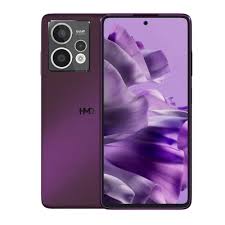
Have you ever walked into an electronics store, or scrolled through an online retailer, feeling a bit overwhelmed by the sheer number of smartphones available? You know you need a new phone, but where do you even begin to look? Understanding the different categories within the phone price range is the first step to making a smart purchase. This guide will help you cut through the noise and discover exactly what you can expect at various price points.
Key Takeaways
- Smartphones offer a wide spectrum of features and capabilities across different price tiers.
- Budget phones provide essential smartphone functions at an affordable cost.
- Mid-range phones balance price with performance and features for most users.
- Premium phones offer cutting-edge technology, superior cameras, and premium build quality.
- Understanding your needs helps you choose the best phone within your budget.
Exploring the Budget Phone Price Range
When we talk about budget phones, we’re looking at devices that cost under $300. These phones are designed to offer the core functionalities that most people need from a smartphone. Think of basic tasks like making calls, sending texts, browsing the web, and using popular social media apps. They are perfect for first-time smartphone users, those who are very budget-conscious, or people who need a reliable secondary device.
Essential Features in Budget Phones
Budget phones come with essential features that cover daily communication and entertainment needs. You can expect clear displays, decent battery life, and the ability to run common apps. While they might not have the fastest processors or the most advanced camera systems, they are highly functional. They often run the latest version of Android or iOS, providing a familiar user experience.
- Core Communication Capabilities
- Basic App Support
- Sufficient Storage for Essentials
- Decent Battery Life
These phones excel at their primary purpose: connecting you. They reliably handle calls, texts, and email. You can also use messaging apps like WhatsApp or Signal without any issues.
This makes them excellent for staying in touch with family and friends.
Most popular apps are designed to run on a wide range of devices, including budget smartphones. You can download and use social media apps, streaming services like YouTube, and many simple games. The experience might be slower compared to high-end phones, but it’s fully functional.
While storage can be limited, many budget phones offer enough space for your essential apps, photos, and contacts. Some also support expandable storage via microSD cards, allowing you to increase capacity affordably.
One of the advantages of simpler hardware is often better battery efficiency. Budget phones can typically last a full day on a single charge with moderate use, which is a significant plus for many users.
Real-World Scenario: The First Smartphone
Consider a teenager receiving their first smartphone. They need a device for staying in touch with friends, using school apps, and perhaps watching videos. A budget phone priced around $200 can easily fulfill these requirements. It offers a gateway to the digital world without a significant financial commitment.
Understanding the Mid-Range Phone Price Range
The mid-range phone market, typically spanning from $300 to $600, offers a compelling balance of features and affordability. These devices often incorporate technologies and performance levels that were once exclusive to flagship phones, but at a more accessible price. For many consumers, a mid-range phone represents the sweet spot, providing an excellent user experience without breaking the bank.
Enhanced Performance and Features
Mid-range phones usually boast faster processors, more RAM, and better display quality than their budget counterparts. This means smoother app performance, quicker multitasking, and a more immersive viewing experience for videos and games. Camera systems also see a significant upgrade, often featuring multiple lenses for wider shots or better low-light photography.
- Improved Processor and RAM
- Superior Display Technology
- Advanced Camera Capabilities
- Better Build Quality and Design
A stronger processor and more RAM allow mid-range phones to handle demanding apps and games with ease. You’ll notice faster loading times and smoother animations, making everyday use more enjoyable. Multitasking between several applications is also much more fluid.
Many mid-range phones feature high-resolution displays, often with higher refresh rates (like 90Hz or 120Hz). This results in sharper images, more vibrant colors, and incredibly smooth scrolling. OLED or AMOLED technology is also becoming more common, providing deeper blacks and better contrast.
Expect to see multi-lens camera setups, including ultrawide or telephoto lenses. Image processing is also more sophisticated, leading to better detail, color accuracy, and low-light performance. Features like optical image stabilization are also more common.
Mid-range phones often use premium materials like glass or metal, giving them a more luxurious feel. Designs are more refined, and features like water resistance may be included, adding to their durability and appeal.
Case Study: A Savvy Shopper’s Choice
Sarah is looking for a new phone that can handle her work applications, occasional mobile gaming, and high-quality photos. She doesn’t need the absolute latest flagship technology but wants a phone that feels fast and takes great pictures. A mid-range phone priced at $450 fits her perfectly. It provides all the power and camera quality she desires for her daily tasks and hobbies.
The Premium Phone Price Range
At the top of the spectrum, we have premium smartphones, typically costing $600 and above. These devices represent the pinnacle of mobile technology, offering the latest innovations, the most powerful performance, and the most advanced features available. They are for users who demand the best and are willing to invest in top-tier hardware and cutting-edge capabilities.
Cutting-Edge Technology and Performance
Premium phones are equipped with the fastest processors, the largest amounts of RAM, and the most sophisticated display technologies. They often feature advanced biometric security, wireless charging, and faster charging speeds. The build quality is exceptional, using materials like aerospace-grade aluminum or ceramic.
- Flagship Processors
- Pro-Grade Camera Systems
- Top-Tier Display Experiences
- Unmatched Build and Durability
- Exclusive Features and Ecosystem Integration
These phones use the most current and powerful chipsets available. This ensures lightning-fast performance for any task, from intense gaming to complex video editing. The efficiency of these chips also contributes to better battery management.
Premium phones are known for their outstanding camera systems. They often include multiple lenses with advanced optical zoom, larger sensors for superior low-light performance, and AI-powered image processing that delivers professional-quality photos and videos. Many also offer advanced video recording capabilities, like 4K at high frame rates.
Expect the best displays with incredibly high resolutions, dynamic refresh rates (often adaptive 120Hz), and stunning color accuracy. HDR support makes viewing content a breathtaking experience. The brightness levels are also typically higher, making them easier to see in direct sunlight.
Premium phones use the finest materials and showcase impeccable craftsmanship. They are built to last and often feature the latest protective glass technology for displays and backs, along with higher levels of water and dust resistance.
These devices often offer unique features not found on other phones, such as advanced haptic feedback, unique software integrations, or superior audio quality. They also integrate seamlessly with other devices in their respective ecosystems, like smartwatches, tablets, and laptops.
Sample Scenario: The Content Creator
Imagine a professional photographer or videographer who relies on their phone for capturing high-quality content on the go. They need a device with an exceptional camera, powerful processing for editing, and a large, vibrant screen for reviewing their work. A premium smartphone, costing upwards of $1000, provides the tools and performance necessary to meet these demanding creative needs.
Factors Influencing Phone Price Range
Several key components and design choices significantly impact where a phone falls within the phone price range. Manufacturers balance these elements to target different consumer segments and price points. Understanding these factors can help you appreciate the value proposition of various devices.
Processor and Performance
The chipset is the brain of the phone. High-end processors use more advanced manufacturing processes, leading to better performance and power efficiency. These cutting-edge chips are expensive to develop and produce, thus driving up the price of phones that use them. Budget phones use older or less powerful chipsets to keep costs down.
What is a Smartphone Processor?
A smartphone processor, also known as a System on a Chip (SoC), is a microchip that integrates most of the main components of a computer. This includes the central processing unit (CPU) and graphics processing unit (GPU), along with memory controllers, image signal processors, and often a modem for cellular connectivity. It handles all the computations and operations of the phone, from running apps to processing camera data.
- CPU (Central Processing Unit)
- GPU (Graphics Processing Unit)
- Manufacturing Process
The CPU is responsible for executing instructions from programs. It performs calculations and manages the flow of data. Processors have multiple cores, and the speed and architecture of these cores determine how quickly the phone can perform tasks.
The GPU handles all visual output, making it crucial for gaming, video playback, and the overall graphical interface of the phone. More powerful GPUs can render complex graphics smoothly, leading to a better visual experience.
Processors are manufactured using lithography, measured in nanometers (nm). A smaller nm process means transistors are smaller and packed more densely, leading to better performance and power efficiency. For example, a 4nm process is more advanced and expensive than a 7nm process.
Camera System Quality
The sophistication of a phone’s camera system is a major price differentiator. This includes the number of lenses, the size and quality of the sensors, the aperture, optical image stabilization (OIS), and the advanced image processing software.
What is a Smartphone Camera Sensor?
A smartphone camera sensor is the digital equivalent of film in a traditional camera. It’s a semiconductor chip that captures light and converts it into an electronic signal, which is then processed into a digital image. The size of the sensor is critical; larger sensors can capture more light, leading to better image quality, especially in low-light conditions, and a more natural depth of field.
- Sensor Size and Megapixels
- Lens Types and Features
- Image Signal Processor (ISP)
While megapixels (millions of pixels) indicate resolution, sensor size is often more important for image quality. Larger sensors capture more light, resulting in less noise and better detail, especially in dim environments. High megapixel counts can be beneficial for cropping or printing large images.
Modern phones feature multiple lenses: wide, ultrawide, telephoto (for zoom), and macro. Each offers different perspectives or capabilities. Features like Optical Image Stabilization (OIS) counteract hand tremors, leading to sharper photos and smoother videos, particularly at slower shutter speeds or when zoomed in.
The ISP is a dedicated component, often within the SoC, that processes the raw data from the camera sensor. It handles tasks like noise reduction, color correction, sharpening, and HDR (High Dynamic Range) processing, significantly impacting the final image quality. More advanced ISPs enable features like computational photography.
Display Technology and Features
The type of display panel and its associated technologies also influence cost. LCDs are generally cheaper than OLED or AMOLED panels, which offer better contrast, deeper blacks, and more vibrant colors. Higher refresh rates (how many times the screen updates per second) and higher resolutions also add to the manufacturing costs.
What is OLED/AMOLED Display Technology?
OLED (Organic Light Emitting Diode) and AMOLED (Active-Matrix Organic Light Emitting Diode) are display technologies where each pixel emits its own light. This means that when a pixel needs to display black, it simply turns off, resulting in perfect blacks and incredibly high contrast ratios. AMOLED is an advancement that uses a thin-film transistor (TFT) to control each pixel individually, allowing for faster refresh rates, lower power consumption, and improved image quality compared to older OLED types.
- Pixel Performance
- Power Efficiency
- Refresh Rates
Because each pixel lights itself, OLED displays can achieve true black. This means colors appear more vibrant, and images have more depth. They also generally offer wider viewing angles and faster response times than LCDs.
When displaying dark content, OLEDs consume less power because the pixels are off. However, when displaying bright, white screens, they can consume more power than some LCDs. This makes them highly efficient for displaying content with lots of dark areas or for features like always-on displays.
Refresh rates, measured in Hertz (Hz), indicate how many times the screen updates its image per second. Standard displays are 60Hz. Higher refresh rates, like 90Hz or 120Hz, make scrolling and animations appear much smoother, creating a more fluid user experience.
This technology is more expensive to implement.
Build Materials and Design
The materials used in a phone’s construction play a role in both its price and its perceived quality. Premium phones often use materials like glass, ceramic, or high-grade aluminum, which are more expensive to source and manufacture than the plastics used in budget devices. The precision required for assembly also adds to the cost.
Connectivity and Other Features
Features like 5G capability, advanced water and dust resistance ratings (IP ratings), faster charging speeds, wireless charging, and more sophisticated audio components all add to a phone’s cost. While 5G is becoming more common, its implementation and the specific modem used can vary and affect pricing.
What is an IP Rating?
An IP rating (Ingress Protection rating) is an international standard that classifies the degree of protection provided by mechanical casings and electrical enclosures against intrusion from solid objects (like dust) and liquids (like water). It consists of two numbers; the first number represents protection against solids, and the second represents protection against liquids. For example, IP68 means the device is dust-tight (the highest level of solid protection) and protected against continuous immersion in water under conditions specified by the manufacturer (usually deeper than 1 meter for longer than 30 minutes).
- First Digit Solid Protection
- Second Digit Liquid Protection
- Implications for Durability
The first digit indicates protection against solid objects. A rating of 6 means the device is completely dust-tight, offering the highest level of protection against the ingress of solid particles. A lower rating might allow dust to enter over time, which can damage internal components.
The second digit indicates protection against liquids. A rating of 8 suggests that the device can withstand immersion in water under specific conditions (e.g., depth and duration) as defined by the manufacturer. This is generally considered very good protection against accidental submersion.
Phones with higher IP ratings offer greater peace of mind for users, especially those who are prone to accidents or live in environments where dust or moisture is prevalent. This added durability and engineering often come at a higher manufacturing cost.
Navigating the Phone Price Range for Your Needs
Choosing the right phone isn’t just about picking the most expensive or the cheapest option. It’s about finding the device that best aligns with your personal needs, usage habits, and financial comfort zone. Consider how you primarily use your phone to determine which features are most important to you.
Assessing Your Usage Habits
Think about your daily routine. Do you spend hours gaming or watching videos, or do you mainly use your phone for calls, texts, and occasional social media? Are you a photography enthusiast, or are basic snapshots enough? Answering these questions will help you prioritize features and avoid paying for capabilities you won’t use.
- Heavy Users
- Moderate Users
- Light Users
If you’re a power user who relies on your phone for work, extensive gaming, or high-quality content creation, you’ll benefit from a premium phone with a fast processor, a top-tier camera, and a high-resolution display. You might also need more storage and a larger battery.
For those who use their phones for a mix of social media, browsing, streaming, and some light gaming or photography, a mid-range phone often provides the ideal balance. You get good performance and features without the premium price tag.
If your primary needs are communication (calls, texts) and basic internet browsing, a budget phone will likely suffice. These devices are affordable and capable of handling essential tasks efficiently.
Budget Considerations
Your budget is a crucial factor. While it’s tempting to go for the latest and greatest, setting a realistic budget upfront can help you narrow down your options. Remember that you can often find excellent value in the mid-range segment. Also, consider the total cost of ownership, including potential repairs or accessories.
Long-Term Value vs. Immediate Cost
Sometimes, spending a bit more on a phone that offers better build quality, longer software support, or more advanced features can provide better long-term value. A premium phone might last longer and remain functional and up-to-date for an extended period, potentially saving you money in the long run compared to frequent upgrades of cheaper devices.
Common Myths Debunked
It’s easy to get caught up in myths about smartphones. Let’s clear up some common misconceptions about the phone price range.
Myth 1: Only expensive phones have good cameras.
This is not true. While premium phones generally offer the most advanced camera systems, many mid-range phones now feature excellent cameras capable of taking stunning photos. You can achieve great results with a mid-range device if you understand its capabilities and shoot in good lighting conditions.
Myth 2: Cheaper phones are always slow and frustrating to use.
Budget phones have improved significantly. While they won’t match the speed of flagships, many offer a perfectly smooth experience for everyday tasks like messaging, browsing, and social media. They are designed to be functional and efficient for their target audience.
Myth 3: You need a flagship phone to experience the latest technology.
Many cutting-edge features trickle down to the mid-range market relatively quickly. Features like high refresh rate displays, advanced camera modes, and fast charging are now common in phones that are not the most expensive.
Myth 4: All phones in the same price range offer similar value.
This is a common misconception. Even within a specific price bracket, manufacturers differentiate their products. Some might prioritize camera quality, while others focus on battery life or processing power.
It’s essential to research individual models.
Frequently Asked Questions
Question: What is the average phone price range?
Answer: The average phone price range is quite broad, but most smartphones fall between $300 and $800. Budget phones are under $300, mid-range phones are between $300 and $600, and premium phones are typically $600 and above.
Question: Can I get a good phone for under $200?
Answer: Yes, you can find very functional phones for under $200 that are suitable for basic communication, social media, and web browsing. They offer essential smartphone features at an affordable cost.
Question: Which price range offers the best value for money?
Answer: Many users find that the mid-range phone price range (around $300-$600) offers the best value. These phones balance strong performance and desirable features with a more accessible price point.
Question: Do older flagship phones offer good value?
Answer: Yes, buying a slightly older flagship model can be a great way to get premium features at a reduced price. Their performance and camera capabilities often still exceed those of current mid-range devices.
Question: How much should I spend on a phone?
Answer: The amount you should spend depends entirely on your needs and budget. Assess how you use your phone and what features are most important to you before setting a spending limit.
Summary
Understanding the phone price range empowers you to make informed decisions. Whether you need a basic device, a capable all-rounder, or a cutting-edge powerhouse, there’s a phone out there that fits. By assessing your usage, considering your budget, and knowing what features matter most, you can confidently select a smartphone that offers the best value for your specific requirements.