
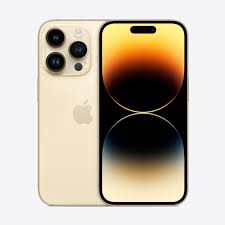
Finding the right iPhone at the best price can feel like a puzzle. You’ve probably spent time scrolling through different retailers, comparing specs, and wondering if a specific model is worth the investment right now. This guide cuts through the confusion. We’ll show you how to find the latest iPhone price list information clearly and easily. Get ready to make a smart buying decision.
Key Takeaways
- Understand how different iPhone models are priced.
- Learn where to find the most current iPhone price list information.
- Discover factors that influence iPhone prices.
- Explore tips for saving money on your next iPhone purchase.
- Identify the best times to buy an iPhone for optimal value.
Understanding iPhone Pricing Factors
The price of an iPhone isn’t just a random number. Several things determine how much you’ll pay for a device. These factors often change, making it important to know what to look for.
Storage Capacity’s Role in Cost
The amount of storage space on an iPhone significantly impacts its price. iPhones come with different storage options, usually starting at 64GB or 128GB and going up to 1TB. More storage means you can save more apps, photos, videos, and other files. This extra capability comes at a higher cost.
For example, a base model iPhone with 128GB of storage will be less expensive than the same model with 512GB or 1TB. Apple carefully sets these price tiers.
- 128GB: The standard starting point for many models.
- 256GB: A good balance for most users who take many photos and videos.
- 512GB: Ideal for heavy users, content creators, or those who store large media libraries.
- 1TB: The highest capacity, offering ample space for professional use or extensive digital collections.
This tiered pricing structure allows consumers to choose a storage size that fits their needs and budget. Picking the right storage upfront can save you money compared to buying a lower storage model and running out of space later.
Model Generation and Features
Newer iPhone models, like the latest Pro versions, naturally command higher prices. They feature the most advanced technology, including faster processors, improved cameras, better displays, and new innovative features. Older models, while still capable, are typically priced lower to make way for new releases.
When a new iPhone generation is announced, prices for the previous generation usually drop. This makes older, but still powerful, iPhones an attractive option for budget-conscious buyers. The iPhone 15 series, for instance, brought new advancements, leading to adjusted pricing for the iPhone 14 and earlier models.
Condition of the Device New vs. Refurbished
The condition of the iPhone is a major price determinant. A brand-new iPhone will always be the most expensive. A refurbished iPhone, on the other hand, can offer significant savings. Refurbished devices are pre-owned iPhones that have been inspected, repaired if necessary, cleaned, and restored to full working order.
Apple and authorized resellers offer certified refurbished iPhones. These devices often come with a warranty, providing peace of mind similar to buying new. Understanding the difference between “used” and “refurbished” is key. A “used” iPhone might have cosmetic blemishes or no warranty, while a “refurbished” unit is typically guaranteed to be in excellent condition.
| Condition | Typical Price Range | Warranty | Key Features |
|---|---|---|---|
| Brand New | Highest | Full Manufacturer Warranty | Latest technology, pristine condition. |
| Certified Refurbished | Medium-Low | Limited Warranty (often 1 year) | Inspected, repaired, cleaned, like-new. |
| Used (Good Condition) | Low | None or limited seller warranty | May have minor cosmetic wear. |
Where to Find the Latest iPhone Price List
Locating an accurate and up-to-date iPhone price list is essential for smart shopping. Relying on outdated information can lead to missed deals or overspending.
Official Apple Store Website
The most reliable source for the current iPhone price list is always the official Apple website. Apple sets the manufacturer’s suggested retail price (MSRP) for all its products. You can browse specific models, select storage capacities, and see the exact pricing directly from the source.
The Apple website also details any available financing options or trade-in values, which can further influence the final cost. When a new iPhone is released, Apple updates its store pricing immediately. This makes it the primary destination for accurate, official figures.
- Direct Pricing: See the exact cost for each configuration.
- Trade-In Values: Get an estimate for your old device.
- Financing Options: Explore monthly payment plans.
- New Releases: Be the first to see prices for the latest models.
Authorized Retailers and Carriers
Besides Apple, authorized retailers and mobile carriers also sell iPhones. These partners often have their own promotions, discounts, or bundle deals that can make an iPhone more affordable. Major electronics stores like Best Buy, Amazon, and carriers like Verizon, AT&T, and T-Mobile frequently offer competitive pricing.
These retailers might have sales events or offer special discounts for new customers or for purchasing a phone with a service plan. Comparing prices across these platforms can help you snag the best deal. Be sure to check for unlocked phones versus carrier-locked options, as this can affect the price and your flexibility.
Examples of Authorized Retailers
- Best Buy
- Amazon
- Walmart
- Target
These retailers often have online price trackers or sale sections where you can spot iPhone deals.
Price Comparison Websites and Apps
Several websites and mobile apps are designed to help you compare prices from various sellers. These tools aggregate pricing information from numerous online stores, making it easy to see who has the lowest price for a specific iPhone model and configuration.
Some popular comparison sites include Google Shopping, CamelCamelCamel (for Amazon price history), and Slickdeals (for finding active deals and discounts). Using these resources can save you time and ensure you’re not missing out on a better offer elsewhere. They are especially useful when looking for deals on slightly older models.
Maximizing Savings on Your iPhone Purchase
Buying an iPhone doesn’t have to break the bank. With a few smart strategies, you can significantly reduce the overall cost.
Leveraging Trade-In Programs
One of the most effective ways to lower the price of a new iPhone is by trading in your old device. Apple’s trade-in program allows you to get credit towards a new purchase when you hand in an eligible old phone. Many authorized retailers and carriers offer similar programs.
The value of your trade-in depends on the model, condition, and market demand. A recent iPhone in good condition will fetch more credit than an older model with significant wear. It’s worth getting trade-in estimates from multiple sources to ensure you get the best value.
Imagine you have an iPhone 12 Pro. Apple might offer you $250 in credit for it. If you’re buying a new iPhone 15 Pro, this $250 effectively reduces the cost of your new phone.
You could then use this to offset part of the iPhone price list cost.
Considering Refurbished or Certified Pre-Owned iPhones
As mentioned earlier, refurbished iPhones offer substantial savings. Apple’s certified refurbished products are like new, coming with the same one-year warranty. They undergo rigorous testing and are guaranteed to be in perfect working order.
Other reputable companies also sell refurbished electronics. When buying refurbished, always check the seller’s reputation, return policy, and warranty details. This is a smart choice for getting a high-end iPhone at a fraction of the cost of a new one.
- Cost Savings: Often 15-30% less than new.
- Quality Assurance: Professionally inspected and repaired.
- Warranty Protection: Many include a limited or full warranty.
- Environmental Benefit: Reduces electronic waste.
Timing Your Purchase During Sales Events
Certain times of the year are better for buying iPhones than others. Major sales events like Black Friday, Cyber Monday, and holiday sales often bring significant discounts. Apple’s own events, like back-to-school promotions, can also offer deals.
Waiting for these periods can lead to substantial savings. Keep an eye on retailer advertisements and deal aggregator sites around these times. Even a small discount on an iPhone can amount to a considerable saving, especially on higher-priced models.
Sample Scenario 1: Saving on an iPhone 15 Pro
You want to buy an iPhone 15 Pro with 256GB storage, which is listed at $1099.
- You find an Apple trade-in offer for your old iPhone 13 Pro (256GB) valued at $350.
- This reduces the cost to $749 ($1099 – $350).
- You also catch a limited-time offer from an authorized retailer for an extra $50 off all iPhone 15 Pro models during a holiday sale.
- Your final purchase price becomes $699 ($749 – $50).
This strategy effectively lowers the initial iPhone price list by over 35%.
The Impact of Storage on iPhone Price List
The storage capacity you choose directly influences the iPhone price list. More storage means higher cost, but it also means more freedom to store your digital life.
Understanding GB vs. TB
GB stands for Gigabyte, and TB stands for Terabyte. One Terabyte is equal to 1000 Gigabytes. So, a 1TB iPhone has 1000 times more storage space than a 1GB iPhone. Modern iPhones typically offer storage in increments of 128GB, 256GB, 512GB, and 1TB.
The jump from one storage tier to the next often adds around $100 to $200 to the price. This incremental cost is designed to reflect the higher cost of the memory components and the increased utility of having more space.
- 128GB: Adequate for moderate users.
- 256GB: Good for frequent photo/video capture.
- 512GB: Best for power users and content creators.
- 1TB: For those who need maximum digital storage capacity.
Choosing the Right Storage for Your Needs
Before you look at the iPhone price list, consider how much storage you truly need. If you primarily use cloud storage for photos and stream most of your media, 128GB or 256GB might be perfectly sufficient. However, if you shoot a lot of high-resolution video (especially in formats like ProRes for iPhone 15 Pro), download large games, or keep extensive music libraries offline, you might benefit from 512GB or even 1TB.
It’s often more cost-effective to buy a higher storage model initially than to rely on cloud storage or constantly manage your device’s space. Running out of storage can be frustrating, especially when you need to take a photo or download an important file.
A study by Statista in 2023 showed that the 128GB storage option remains the most popular choice for new iPhone purchases globally, accounting for approximately 45% of sales. However, demand for higher storage tiers like 256GB and 512GB has been steadily increasing.
When Is The Best Time To Buy An iPhone
Timing your iPhone purchase can lead to significant savings. While you can buy an iPhone any day of the year, certain periods offer better value.
Post-New Model Launch Price Drops
When Apple releases a new generation of iPhones, the prices of the older models typically decrease. This is Apple’s strategy to clear inventory and encourage upgrades. For instance, after the iPhone 15 series was launched, prices for the iPhone 14 models became more attractive.
If you don’t need the absolute latest features, buying a year-old model can offer substantial savings. You get a very capable smartphone at a lower price point on the iPhone price list. This is an excellent strategy for budget-conscious buyers who still want a recent iPhone.
Major Shopping Holidays and Sales Events
Black Friday (late November) and Cyber Monday (the Monday after Black Friday) are prime times for discounts on electronics, including iPhones. Retailers often offer their best deals of the year during this period. Other holidays like Prime Day (usually in July) or year-end sales can also present opportunities.
Keep an eye on weekly ads from major electronics retailers. Many offer limited-time deals that can shave off a significant portion of an iPhone’s price. Sometimes, these deals might include bundles with accessories or carrier promotions.
- Black Friday/Cyber Monday: Significant discounts on older and sometimes current models.
- Holiday Sales (Christmas, New Year): Promotions often extend into early January.
- Prime Day: Amazon’s annual sale event can feature iPhone deals.
- Back-to-School Sales: Often offers student discounts or bundle deals.
Carrier Promotions and Upgrade Cycles
Mobile carriers frequently run promotions to attract new customers or retain existing ones. These can include discounts on iPhones when you sign up for a new plan, trade in an old device, or switch from another carrier. Staying informed about your current carrier’s offers can be beneficial.
Also, consider your own phone’s upgrade cycle. If your current phone is nearing the end of its useful life, purchasing a new iPhone might be timely. Many carriers offer upgrade programs that allow you to trade in your current device for credit towards a new one.
Sample Scenario 2: Carrier Deal Savings
You’re eligible for a carrier upgrade and your current phone is worth $200 as a trade-in.
- The iPhone 15 (base model) is priced at $799.
- Your carrier offers a $100 discount for upgrading customers.
- Your $200 trade-in value is applied.
- The final cost becomes $499 ($799 – $100 – $200).
This combination of offers can make a new iPhone much more accessible.
Common Myths Debunked
Many misconceptions surround iPhone pricing and purchasing. Let’s clear up some common myths to help you make informed decisions.
Myth 1: All iPhones Released In A Given Year Cost The Same
The Reality:
iPhones released in the same year come in different tiers, each with a distinct price. For example, the iPhone 15, iPhone 15 Plus, iPhone 15 Pro, and iPhone 15 Pro Max all have different starting prices due to varying features, screen sizes, and camera systems. The Pro models, with their advanced capabilities and materials, are always more expensive than the standard models.
Myth 2: Buying Directly From Apple Is Always The Most Expensive Option
The Reality:
While Apple sets the MSRP, authorized retailers and carriers sometimes offer deals or discounts that can make their prices lower. However, Apple’s pricing is consistent and transparent. For brand-new models at launch, Apple’s price is often the baseline, and discounts are less common. But for older models or during specific sale periods, other vendors might beat Apple’s price.
Myth 3: Refurbished iPhones Are Of Poor Quality
The Reality:
Certified refurbished iPhones, especially those sold by Apple or reputable third-party sellers, are restored to full working condition. They are thoroughly inspected, cleaned, and any faulty parts are
Myth 4: You Can Always Get A Discount On The Latest iPhone Model
The Reality:
Discounts on the very latest iPhone models immediately after their release are rare. Apple and most authorized sellers maintain the MSRP for new flagship devices for several months. Significant price drops usually occur when a new generation is announced, making the previous generation cheaper.
Frequently Asked Questions
Question: How often does Apple release new iPhone models?
Answer: Apple typically releases new flagship iPhone models once a year, usually in the fall (around September). They may also release updated versions of SE models at other times.
Question: Can I negotiate the price of an iPhone?
Answer: Negotiating the price of an iPhone directly with Apple is generally not possible. However, at some third-party retailers or carriers, especially during sales events or for bulk purchases, there might be limited room for negotiation, or they may offer bundled deals.
Question: Is it better to buy an unlocked iPhone or one from a carrier?
Answer: An unlocked iPhone offers more flexibility as you can use it with any compatible carrier. Carrier-locked iPhones may be cheaper upfront or come with carrier-specific deals but tie you to that carrier’s network for a period.
Question: What is the difference between iPhone prices in different countries?
Answer: iPhone prices can vary significantly between countries due to import taxes, currency exchange rates, and local market conditions. The iPhone price list will differ based on these economic factors.
Question: Will older iPhone models continue to receive software updates?
Answer: Apple provides software updates (like iOS) for its iPhones for several years after their release. However, older models may eventually stop receiving the latest major iOS updates but often continue to get important security patches.
Conclusion
Finding the right iPhone price list doesn’t have to be complicated. By knowing what influences cost—like storage, model, and condition—you can better assess value. Always check official Apple sources and compare prices from authorized sellers. Leverage trade-ins and consider refurbished options to save money. Understanding the best times to buy, like during major sales events, further maximizes your savings. Make an informed choice that fits your budget and needs.