
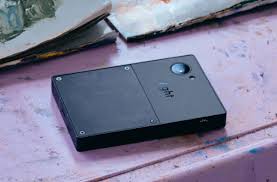
Waiting for a new phone can be exciting, especially when it promises simplicity. Many of us crave a break from constant notifications and endless scrolling, seeking a more intentional way to connect. If you’ve been looking forward to a device that offers a focused digital experience, the upcoming Light Phone 3 has likely caught your attention.
This post will explore everything we know, or can reasonably expect, about the light phone 3 price. You’ll discover what factors might influence its cost and what you can anticipate in terms of value, helping you decide if this minimalist device fits your budget and lifestyle.
Key Takeaways
- The Light Phone 3 is expected to be a premium device with a price reflecting its unique design and focus on intentionality.
- Early indications and pricing of previous models suggest a cost likely in the mid-to-high range for smartphones.
- Specific features like advanced materials, custom software, and unique service offerings will contribute to the overall light phone 3 price.
- Consumers seeking a minimalist phone experience might find the light phone 3 price justifiable for its benefits in digital well-being.
- Comparing the light phone 3 price to other premium smartphones will offer context for its market position.
Understanding The Light Phone 3 Price Context
The anticipation surrounding the Light Phone 3 has been building, and a key question on many minds is its cost. Light, the company behind the device, has always positioned its phones as premium tools for digital wellness, not budget alternatives. This means the light phone 3 price is unlikely to be comparable to entry-level smartphones.
Instead, it will likely align with devices that offer specialized features, superior build quality, and a unique user experience. Factors like the materials used in its construction, the development of its minimalist operating system, and any associated services will all play a role in determining the final price. Understanding this context is crucial for potential buyers who appreciate the philosophy behind the Light Phone.
The Philosophy Behind The Pricing
Light’s core mission is to help people disconnect from the overwhelming aspects of modern technology and reconnect with the world around them. This philosophy directly influences their product development and, consequently, their pricing strategy. They are not competing on volume or mass-market appeal.
Instead, they focus on a niche audience willing to invest in a device that prioritizes intentionality and digital well-being. This often translates to higher production costs per unit due to smaller manufacturing runs and the use of more durable, aesthetically pleasing materials. The goal is to create a lasting product that users cherish, rather than a disposable gadget.
The company aims to provide a tool that actively reduces distractions, rather than merely offering fewer features. This requires significant investment in software design and optimization to ensure a smooth, intuitive, and truly minimalist user experience. Unlike many other manufacturers that rely on app stores and broad compatibility, Light curates a limited set of essential tools.
This specialized approach demands a different economic model, where the value is placed on the reduction of noise and the promotion of mindful engagement, justifying a higher price point than one might expect for a device with fewer “smart” capabilities in the traditional sense.
Previous Model Pricing As A Benchmark
To estimate the light phone 3 price, it is essential to look at its predecessors. The original Light Phone was launched with a price of $399, and the Light Phone II followed at $299, with some variations depending on configuration and launch promotions. These prices set a precedent for the company’s premium positioning.
It is important to note that the Light Phone II, at $299, was considered a significant price reduction from the first model, potentially due to lessons learned in manufacturing and market reception. However, the Light Phone 3 is rumored to incorporate more advanced features and a refined design, which could lead to a higher price than the Light Phone II.
The company has consistently aimed to offer a high-quality build with premium materials. For instance, the Light Phone II featured an anodized aluminum body and a Gorilla Glass screen. Such components contribute to the overall cost of goods sold.
If the Light Phone 3 continues this trend with even more sophisticated materials or a new hardware design, we can expect the price to reflect that upgrade. Therefore, while the $299 of the Light Phone II serves as a reference, a slight increase, or even a significant one depending on the rumored upgrades, should not be surprising.
Potential Features Influencing The Light Phone 3 Price
The Light Phone 3 is rumored to include several upgrades that could significantly impact its cost. One of the most talked-about is the potential for a fingerprint sensor, possibly integrated into the power button. This feature adds complexity to the hardware manufacturing process and requires software integration, both of which contribute to the overall expense.
Furthermore, reports suggest a possibly larger and more advanced screen compared to previous models, perhaps a higher-resolution e-ink display or even a different type of screen technology that offers better visibility and responsiveness while maintaining power efficiency.
Another area that could affect the light phone 3 price is enhanced camera capabilities. While Light phones are not designed for extensive photography, a more capable camera might be included for essential tasks like scanning QR codes or capturing quick moments. Developing and integrating even a basic camera system requires investment.
Additionally, internal hardware upgrades, such as a more powerful processor for smoother operation and increased storage capacity, will inevitably increase manufacturing costs. The company’s commitment to a robust and long-lasting product also means sourcing higher-quality internal components that can withstand the test of time.
Build Materials And Design Aesthetics
The physical construction of a device is a major determinant of its price. Light has always emphasized elegant, minimalist design and durable materials. The Light Phone II, for example, was praised for its sleek, almost jewel-like appearance, constructed from anodized aluminum.
For the Light Phone 3, it is plausible that they will continue with premium metals like aluminum or even explore options like titanium, known for its strength and lightweight properties. These materials are inherently more expensive to source and machine than the plastics used in many budget smartphones.
The manufacturing process for these premium materials also adds to the cost. Precision machining, anodizing, and finishing all require specialized equipment and skilled labor. The minimalist design itself, while appearing simple, often demands tight tolerances and impeccable construction to achieve its aesthetic appeal.
There are no superfluous elements; every curve, edge, and seam is intentional and contributes to the overall user experience. This level of craftsmanship comes at a premium. If the Light Phone 3 introduces new design elements or a more intricate form factor, these efforts will be reflected in the final light phone 3 price.
Software And Service Considerations
The software experience on a Light Phone is just as critical as its hardware. Light develops its own custom operating system, a highly simplified platform focused on core utilities like calls, texts, and a curated selection of essential apps. Creating and maintaining such a bespoke software environment requires a dedicated development team and ongoing investment.
This specialized software is a significant part of the value proposition and contributes to the overall cost of bringing the device to market. It’s not an off-the-shelf solution but a carefully crafted experience.
Additionally, Light sometimes offers a premium subscription service or an unlockable feature set. For example, the ability to use certain tools or have unlimited messaging might be tied to specific plans or phone versions. If the Light Phone 3 introduces new software features or a refined service model, these aspects will also factor into its pricing.
The company’s approach is to provide a focused, distraction-free experience, and this dedication to a particular software philosophy is a key differentiator that warrants a premium price. The continuous updates and support for this custom OS also represent an ongoing cost for the company.
Market Positioning And Competitive Landscape
The Light Phone 3 is not aiming to compete directly with mainstream smartphones from brands like Apple or Samsung. Instead, it occupies a unique niche in the market. Its primary competition comes from other “dumb phones” or minimalist smartphones that aim to reduce screen time and digital distraction.
However, many of these devices are significantly less sophisticated in terms of design, build quality, and user experience. The light phone 3 price will need to be positioned in a way that reflects its premium offerings compared to these simpler alternatives.
Consider devices like the Punkt MP02, which also focuses on essential communication but often at a similar or higher price point, with fewer smart features. Or consider specialized apps and software that can be added to existing smartphones to create a more minimalist experience, though these rarely replicate the focused hardware design of a Light Phone. The target consumer for the Light Phone 3 is someone who understands the value of digital detox and is willing to pay a premium for a device that facilitates it effectively and elegantly.
Comparing Value Beyond Specs
When evaluating the light phone 3 price, it’s crucial to look beyond raw specifications. Many phones might have more megapixels, larger screens, or faster processors, but they often come with an overwhelming array of features and constant notifications that can be detrimental to mental well-being. The Light Phone 3’s value lies in its ability to help users be more present and mindful.
This is a benefit that is difficult to quantify in dollar terms but is highly sought after by a growing segment of the population.
For instance, someone struggling with smartphone addiction might find that investing in a Light Phone 3, even at a higher initial cost, saves them money in the long run by improving their focus, productivity, and overall happiness. The reduction in stress and anxiety associated with constant connectivity can have tangible positive effects on a person’s life. The cost of the phone then becomes an investment in one’s mental health and digital well-being, a consideration that transcends traditional hardware comparisons.
This qualitative value is a core component of the Light Phone’s pricing strategy.
What To Expect For The Light Phone 3 Price
Based on the historical pricing of previous models and the anticipated upgrades for the Light Phone 3, it is reasonable to expect the device to fall within a similar or slightly higher price range than its predecessors. The Light Phone II launched at $299, and given the potential for new hardware features like a fingerprint sensor and possibly a more advanced display, a price point between $300 and $400 seems probable. Some analysts speculate it could even reach $450, especially if premium materials like titanium are used or if a significantly enhanced camera system is implemented.
The company’s strategy has always been to offer a premium, thoughtfully designed product that appeals to a specific demographic. They prioritize quality and user experience over mass-market affordability. Therefore, the light phone 3 price will reflect the investment in these aspects.
It is important for consumers to consider not just the upfront cost but the long-term value the phone offers in terms of digital health and intentional living. The company has also hinted at potential early bird discounts or pre-order specials, which could offer a slight reduction for those who commit early.
The Role Of Demand And Supply
Like any product, the light phone 3 price will also be influenced by the principles of supply and demand. Light operates on a smaller scale compared to major smartphone manufacturers. This means that production runs are likely to be more limited.
If the demand for the Light Phone 3 is high, as indicated by the strong community interest, this could potentially influence pricing, especially in the initial launch phase. Limited supply combined with strong demand often leads to higher prices.
However, Light’s business model is not about maximizing profit through scarcity. They aim to build a sustainable business by serving their dedicated user base. Therefore, while demand will certainly play a role in their production planning, it’s unlikely to be a driving factor for price gouging.
The company has a reputation for transparency with its community, often sharing development updates and rationale behind decisions. Any pricing decisions will likely be communicated clearly to their audience.
Common Myths Debunked
Myth 1: The Light Phone 3 will be very cheap because it has few features.
This is a common misconception. While the Light Phone 3 intentionally has fewer features than a typical smartphone, its price is not determined by the number of features alone. The cost reflects the premium materials, custom software development, minimalist design, and the overall philosophy of digital wellness it promotes.
High-quality construction and a unique user experience are expensive to produce, positioning it as a premium device rather than a budget option.
Myth 2: It will be the same price as the Light Phone II.
While the Light Phone II was priced at $299, it is unlikely the Light Phone 3 will match this exact figure. Rumors suggest significant hardware and design upgrades, including features like a fingerprint sensor and potentially a different screen technology. These advancements, coupled with rising component costs and inflation, would naturally lead to an increase in the manufacturing cost, and consequently, the retail price.
A slight increase or even a noticeable jump is more probable.
Myth 3: Light Phones are just expensive basic phones.
Light Phones are far more than just basic phones. They are deliberately designed tools for intentionality and digital well-being. The custom-built operating system, the focus on user experience to reduce distractions, and the premium build quality set them apart.
While they simplify communication, they do so with a sophisticated approach that aims to improve a user’s relationship with technology. This thoughtful design and purpose justify the price difference compared to a standard feature phone.
Frequently Asked Questions
Question: What is the expected price range for the Light Phone 3
Answer: Based on previous models and rumored upgrades, the Light Phone 3 is expected to cost between $300 and $450.
Question: Why are Light Phones more expensive than other basic phones
Answer: Their higher price is due to premium materials, custom software, minimalist design, and the focus on digital wellness, which requires specialized development and manufacturing.
Question: Will there be any discounts for the Light Phone 3
Answer: Light has offered pre-order specials and early bird discounts on previous models, so it is likely there will be similar offers for the Light Phone 3.
Question: Can I use it for everything a smartphone can do
Answer: No, the Light Phone 3 is designed to be minimalist and focused on essential communication. It does not support a wide range of apps or complex multimedia features found on standard smartphones.
Question: When will the Light Phone 3 be available
Answer: Official release dates have not been announced, but it is expected to be available for purchase later this year after its official unveiling.
Final Thoughts
The light phone 3 price is shaping up to be a key factor for potential buyers. Expect a price in the $300-$450 range, reflecting its premium build, custom software, and commitment to digital well-being. This cost is an investment in a more intentional technological life.
Consider if this value aligns with your personal goals for reducing digital distractions.