
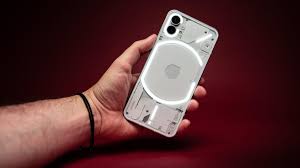
Looking for the latest scoop on the Nothing Phone 1 price? You’re not alone. Many of us have seen this unique phone making waves and want to know if it fits our budget.
This guide will break down what you can expect to pay for the Nothing Phone 1, where to find the best deals, and factors that influence its cost. Get ready to find out if this transparent marvel is within your reach!
Key Takeaways
- The Nothing Phone 1 offers competitive pricing for its unique features.
- Price varies based on storage capacity and region.
- Official retailers and reputable online stores are the best places to buy.
- Promotions and sales can significantly lower the Nothing Phone 1 price.
- Consider refurbished or used options for further savings.
Exploring the Nothing Phone 1 Price
The Nothing Phone 1 arrived with a promise of distinctive design and capable performance without breaking the bank. Its transparent back panel and the unique Glyph Interface set it apart from the crowded smartphone market. Understanding the Nothing Phone 1 price requires looking at a few key aspects, including the different storage configurations and the specific markets it launched in.
This initial pricing strategy aimed to make the device accessible to a broad audience, positioning it as a strong contender in the mid-range segment. The company focused on delivering core smartphone functionality with a premium feel, and the price point reflected this ambition.
When it was first released, the Nothing Phone 1 was launched with several storage and RAM variants. These variations are primary drivers of price differences. For instance, models with higher RAM and internal storage typically command a higher price.
This is standard practice across the smartphone industry, as more memory and storage allow for better multitasking and more space for apps and media. The transparency of the pricing structure for these variants helps consumers make informed decisions based on their needs and budget.
Storage and RAM Configurations
The Nothing Phone 1 was made available in configurations that cater to different user needs. The base model usually features a respectable amount of RAM and storage, making it suitable for everyday tasks. Higher-tier models offer increased RAM for smoother multitasking and larger storage capacities for users who store a lot of photos, videos, or apps.
These differences in specifications directly impact the retail price, with each step up in storage or RAM adding to the cost.
For example, the 8GB RAM with 128GB storage variant often sits at the entry-level price point for the Nothing Phone 1. Moving up to 8GB RAM with 256GB storage usually incurs a moderate price increase. The top-tier configuration, typically 12GB RAM with 256GB storage, represents the highest cost for the standard model.
This tiered approach allows consumers to select the exact specification that aligns with their usage habits and financial comfort zone, ensuring that the Nothing Phone 1 price remains a flexible consideration.
- 8GB RAM + 128GB Storage: This is often the most affordable option. It provides a solid experience for most users who don’t require extensive storage or heavy multitasking.
- 8GB RAM + 256GB Storage: A step up in storage, this variant is ideal for those who take many photos, download numerous apps, or store a lot of media. The price difference is usually noticeable but offers good value.
- 12GB RAM + 256GB Storage: The premium configuration, this model is for power users who demand the utmost performance and storage. It comes at a higher price but delivers the best overall experience.
The price difference between these variants generally ranges from around $50 to $100, depending on the region and retailer. This allows consumers to balance their budget with their performance and storage requirements effectively. For instance, someone who primarily uses their phone for social media, browsing, and occasional photos might be perfectly happy with the 128GB model, saving money in the process.
Regional Pricing Differences
The Nothing Phone 1 price is not uniform across the globe. Several factors contribute to these variations, including import duties, local taxes, currency exchange rates, and the specific distribution strategies employed by Nothing in different markets. What might be a competitive price in one country could be higher in another due to these economic and logistical elements.
This is a common phenomenon in the global electronics market.
For example, the price of the Nothing Phone 1 in Europe might differ from its price in India or North America. Retailers and carriers in each region also play a role. Some regions might see introductory pricing or special bundles that aren’t available elsewhere.
It’s essential for potential buyers to check the pricing specific to their country or region to get the most accurate understanding of what they will pay. This regional pricing also impacts the availability of certain configurations in specific markets.
Where to Find the Best Nothing Phone 1 Price
To secure the best Nothing Phone 1 price, it’s wise to shop around and compare offers from various sources. Official retailers and the manufacturer’s own online store are typically the most reliable places to buy. These channels ensure you are getting a genuine product with a valid warranty.
However, they might not always offer the absolute lowest prices, especially during promotional periods.
Online marketplaces and major electronics retailers often feature competitive pricing. Keep an eye out for flash sales, seasonal discounts, or special bundle deals. Sometimes, carrier-subsidized plans can also lead to a lower upfront cost, although this usually involves a long-term contract.
Comparing prices across these platforms will help you identify the most cost-effective option available at any given time.
- Official Nothing Website: Always a reliable source for accurate pricing and product availability, especially at launch.
- Major Online Retailers: Sites like Amazon, Best Buy, or local equivalents often have competitive pricing and frequent sales.
- Carrier Stores: If you’re looking for a plan, check with mobile carriers, as they sometimes offer discounted phone prices with service agreements.
- Tech Deal Websites: Monitor dedicated deal aggregator sites that track price drops and promotions from various retailers.
It’s worth noting that prices can fluctuate, especially around major shopping events like Black Friday or holiday seasons. Planning your purchase around these times can lead to significant savings on the Nothing Phone 1. Always verify the seller’s reputation and return policy before making a purchase from a less familiar vendor.
Factors Affecting The Nothing Phone 1 Price
Beyond the initial launch price and configuration options, several other factors can influence the Nothing Phone 1 price over time. The smartphone market is dynamic, with new models frequently released, leading to price adjustments for older but still capable devices. Understanding these influences helps in timing your purchase for the best value.
One of the most significant influences is the introduction of new smartphone models, both from Nothing and its competitors. As newer technology emerges and flagship devices with advanced features become available, the market often sees a price drop for previous generations. This allows manufacturers to clear inventory and appeal to budget-conscious consumers.
The Nothing Phone 1, while unique, operates within this broader market trend.
Market Demand and Supply
The fundamental economic principles of demand and supply play a crucial role in determining the Nothing Phone 1 price. If a device is highly sought after and supply is limited, prices can remain stable or even increase slightly on the secondary market. Conversely, if production ramps up and demand doesn’t meet expectations, prices are likely to decrease to stimulate sales.
Nothing’s approach to manufacturing and distribution also affects this. If they manage to produce the phone efficiently and make it widely available, it can help keep prices competitive. However, if there are production bottlenecks or if demand significantly outstrips supply, especially in certain regions, you might see higher prices or even shortages.
Monitoring early reviews and sales figures can give an indication of the demand-supply balance.
Promotions and Sales Events
Retailers and manufacturers frequently run promotions and sales events to boost sales. These can significantly impact the Nothing Phone 1 price. Discounts might be offered on specific configurations, or there could be bundled deals that include accessories like earbuds or cases.
Seasonal sales, such as holiday promotions or back-to-school events, are prime opportunities to find the phone at a reduced cost.
For instance, a limited-time discount of 10-20% can make a substantial difference in the final price. Participating in loyalty programs or signing up for newsletters from retailers can also provide access to exclusive discounts or early sale notifications. These promotional periods are designed to attract buyers looking for the best possible deal.
Staying informed about these events is key to snagging a bargain.
- Seasonal Sales: Black Friday, Cyber Monday, Prime Day, and holiday sales often feature significant discounts on electronics.
- Manufacturer Promotions: Nothing itself might offer direct discounts or special bundles on its website.
- Retailer-Specific Deals: Individual electronics stores or online platforms may have their own unique sales events.
- Bundle Offers: Sometimes, buying the phone as part of a package with other accessories can offer better overall value.
It is advisable to compare prices across different retailers during these sale periods, as the discounts offered may vary. Some retailers might offer a percentage off, while others might offer a fixed amount discount or a gift card with purchase. This comparative approach ensures you are getting the best available deal.
New Model Releases
The release of new smartphone models, including potential successors from Nothing, inevitably affects the pricing of older devices. When a manufacturer launches a new flagship or even a refreshed version of an existing phone, the price of the previous generation often sees a reduction. This is to make room for the new product line and to continue attracting customers who may not need the absolute latest technology.
If Nothing were to release a Phone 2 or a similar device, the Nothing Phone 1 price would likely decrease. This makes it an excellent time for budget-conscious buyers to consider purchasing the Phone 1. The older model still offers a compelling experience, especially with its unique design, and the price drop makes it even more attractive.
This is a common strategy in the tech industry to manage product lifecycles.
Refurbished and Used Markets
For those seeking the absolute lowest Nothing Phone 1 price, exploring the refurbished and used markets can be a smart move. Refurbished phones are pre-owned devices that have been inspected, repaired (if necessary), and cleaned by professionals to ensure they are in good working condition. They often come with a limited warranty, offering peace of mind.
Used phones are sold by individuals and can offer even greater savings, but they typically come with less assurance regarding condition and no warranty. When buying used or refurbished, it’s crucial to purchase from reputable sellers or platforms that offer buyer protection. Checking the condition of the device, including battery health and any cosmetic damage, is essential before committing to a purchase.
This can be an excellent way to get a high-quality device at a fraction of its original cost.
Understanding the Glyph Interface and Its Impact
The Glyph Interface is arguably the most distinctive feature of the Nothing Phone 1. This series of LED lights on the back of the phone can flash in different patterns to indicate notifications, charging status, and other alerts. While primarily a design and user experience element, the innovation behind it adds to the phone’s appeal and, by extension, its perceived value, which can indirectly influence its Nothing Phone 1 price.
It’s a feature that sets it apart and justifies its position in the market.
The Glyph Interface is more than just aesthetic; it offers practical functionality. Users can assign custom light patterns to different contacts or app notifications. This allows for a glanceable notification system that reduces the need to constantly check the screen.
For example, a specific flashing pattern could mean an important email has arrived, while another might indicate an incoming call from a close friend. This thoughtful integration of hardware and software enhances the user experience significantly.
Customization and Functionality
The level of customization offered with the Glyph Interface is a key selling point. Users can create their own unique light patterns, syncing them with specific ringtones or notification sounds. This level of personalization is not commonly found in other smartphones.
The interface can also display a visual progress bar for the phone’s charging status, turning a mundane process into a more engaging visual experience. It also works with Google Assistant, allowing the lights to mimic sound when the assistant is active.
The functionality extends to camera use as well. The lights can act as a fill light for the camera, aiding in low-light photography and videography. This dual role as a notification system and a practical tool underscores the innovation incorporated into the device.
The software that powers the Glyph Interface is regularly updated, adding new patterns and functionalities, ensuring the feature remains fresh and useful over time.
Here’s how the Glyph Interface can be utilized:
- Notification Alerts: Assign unique flashing sequences for specific contacts or apps.
- Charging Indicator: A pulsing light shows the charging progress.
- Visual Timer: The lights can act as a countdown timer.
- Camera Fill Light: Provides soft lighting for photos and videos in dim conditions.
- Google Assistant Feedback: Lights can sync with audio cues when the assistant is active.
The integration of these features demonstrates a holistic approach to design, where aesthetics and utility are closely intertwined. This attention to detail contributes to the overall value proposition of the Nothing Phone 1, potentially influencing its market positioning and Nothing Phone 1 price, especially for those who appreciate unique technological integrations.
The “Transparent” Design Philosophy
Nothing’s commitment to a “transparent” design philosophy goes beyond the physical appearance of the phone. It extends to their approach to technology, aiming to make devices feel more open and connected. The visible internal components, including the wireless charging coil and other intricate circuitry, are a deliberate design choice meant to demystify technology and create a more engaging user experience.
This distinctive aesthetic is a significant part of what draws consumers to the brand.
The choice of materials and the precision with which the internal components are arranged are crucial. The phone features a dual-tone finish on the back, with distinct textures for different areas, enhancing its premium feel. This thoughtful design is not just for show; it’s intended to make users feel more connected to the technology they use every day.
The visible components are functional and contribute to the overall engineering marvel of the device, reinforcing its unique identity in the market.
This philosophy aims to:
- Demystify Technology: By showing the inner workings, Nothing seeks to make technology less intimidating.
- Enhance Aesthetics: The visible components are arranged artistically, creating a unique visual appeal.
- Promote User Engagement: The distinctive design encourages interaction and curiosity about the device.
- Highlight Craftsmanship: It showcases the engineering and design quality put into the phone.
The success of this design philosophy is evident in the buzz the Nothing Phone 1 generated. It offers a refreshing alternative to the conventional smartphone designs that often look similar. This distinctiveness can command a certain premium, influencing the Nothing Phone 1 price in a competitive landscape where differentiation is key.
Comparison with Competitors
To truly gauge the value of the Nothing Phone 1 price, it’s essential to compare it with other smartphones in its class. The mid-range segment is highly competitive, with many brands offering compelling devices with various strengths. Understanding how the Nothing Phone 1 stacks up against its rivals in terms of features, performance, and, of course, price will help in making an informed decision.
Competitors often focus on specific aspects like camera quality, battery life, or raw processing power. The Nothing Phone 1, however, carves out its niche with its unique design and the Glyph Interface, while still delivering a solid overall smartphone experience. Pricing in this segment is often very close, with manufacturers trying to offer the best possible specifications for the money.
Here’s a look at how it generally compares.
Key Competitors in the Mid-Range Segment
The mid-range smartphone market is dominated by devices from brands like Samsung, Google, OnePlus, and Xiaomi. These manufacturers consistently release phones that offer a good balance of features and affordability. For example, Samsung’s Galaxy A series, Google’s Pixel a-series, and OnePlus’s Nord series are direct competitors that consumers often consider alongside the Nothing Phone 1.
Each of these competitors brings something slightly different to the table. Samsung often emphasizes display quality and camera versatility. Google’s Pixel phones are known for their exceptional camera software and clean Android experience.
OnePlus and Xiaomi frequently offer strong performance for the price. The Nothing Phone 1 price needs to be viewed in the context of these established offerings to understand its market standing.
Samsung Galaxy A Series
The Samsung Galaxy A series offers a wide range of models, many of which directly compete with the Nothing Phone 1 in terms of price and features. These phones typically boast Samsung’s vibrant AMOLED displays, reliable performance for everyday tasks, and capable camera systems. While they may not have the same unique aesthetic, they offer a well-rounded user experience and strong brand recognition.
The pricing for comparable models often falls within a similar range.
Google Pixel a-Series
Google’s Pixel a-series phones are renowned for their outstanding camera performance, often punching above their weight class in photography. They also offer a pure Android experience with timely software updates. While their design is generally more conventional, their camera prowess and software integration make them strong contenders, often at a price point very close to the Nothing Phone 1.
OnePlus Nord Series
The OnePlus Nord series aims to bring flagship-like features to a more affordable price point. These devices often focus on performance, fast charging, and smooth displays. They represent a direct challenge to any mid-range phone looking to offer a premium feel without a premium price tag.
The competition here is fierce, making it crucial to compare the specific specifications and the Nothing Phone 1 price against these models.
Feature and Performance Comparison Table
To provide a clearer picture, here’s a simplified comparison. Note that specific models and specifications can vary, but this gives a general idea. The Nothing Phone 1 price is positioned to offer a unique blend of features.
| Feature | Nothing Phone 1 | Samsung Galaxy A Series (Example) | Google Pixel a-Series (Example) | OnePlus Nord Series (Example) |
|---|---|---|---|---|
| Unique Design | Transparent back, Glyph Interface | Standard modern smartphone design | Clean, minimalist design | Vibrant, often distinct design |
| Display | OLED, 120Hz refresh rate | AMOLED, typically 90-120Hz | OLED, 90-120Hz refresh rate | AMOLED, 90-120Hz refresh rate |
| Processor | Qualcomm Snapdragon 778G+ 5G | Varies (Exynos or Snapdragon) | Google Tensor (custom chip) | Varies (Snapdragon or MediaTek Dimensity) |
| Camera | Dual 50MP main + ultrawide | Multiple lenses, varied MP counts | Excellent single or dual camera with computational photography | Good main sensor, often with ultrawide |
| Battery | 4500 mAh, 33W wired charging | 4500-5000 mAh, varied charging speeds | 3800-4500 mAh, moderate charging speeds | 4500-5000 mAh, very fast charging |
| Special Features | Glyph Interface, wireless charging | Samsung ecosystem integration, DeX (on some models) | Advanced AI features, excellent software support | Fast charging, smooth performance |
| Approximate Price Range (Launch) | $450 – $550 USD | $300 – $500 USD | $400 – $500 USD | $300 – $500 USD |
As you can see, the Nothing Phone 1 price is competitive, and its standout feature is undoubtedly its design and the Glyph Interface. While other phones might offer a slightly better camera or a faster processor in some cases, the Phone 1 provides a unique aesthetic and user experience that is hard to find elsewhere in this price bracket.
Maximizing Value and Deals
Getting the best possible Nothing Phone 1 price is all about smart shopping and staying informed. The initial launch price is just the beginning; over time, deals, promotions, and strategic purchasing can lead to significant savings. It’s about being patient and knowing where to look for the best opportunities.
One of the most effective strategies is to be aware of upcoming sales events. Major shopping holidays, manufacturer anniversaries, or even retailer-specific promotions can offer substantial discounts. Signing up for email newsletters from your favorite tech retailers can alert you to these deals as soon as they go live.
This proactive approach ensures you don’t miss out on a great offer.
Leveraging Sales and Discounts
Sales and discounts are your best friends when trying to find a great Nothing Phone 1 price. Retailers often participate in global shopping events like Black Friday, Cyber Monday, and Amazon Prime Day. These periods are notorious for deep discounts across electronics.
For example, you might see a phone that was initially priced at $500 drop to $400 or even less during these sales.
Beyond major events, many retailers have weekly or monthly sales. Keep an eye on the websites of major electronics stores and online marketplaces. If you have a specific retailer you prefer, checking their weekly ads or deal sections regularly can yield results.
Sometimes, a slight price drop of $20 or $30 might seem small, but it adds up, especially if you’re also considering accessories or other purchases.
- Track Price History: Use price tracking tools to see if a current sale is genuinely a good deal or if prices have been lower previously.
- Compare Retailers: Never settle for the first price you see. Compare offers from at least three different reputable retailers.
- Look for Bundle Deals: Sometimes, buying the phone bundled with accessories like earbuds or a case can offer better overall value.
- Student or Educator Discounts: If applicable, check if any special programs offer discounts for students or teachers.
It’s also worth considering seasonal sales that might be specific to your region or country. For example, “back to school” sales in late summer or end-of-year clearance events can present good opportunities to find a lower Nothing Phone 1 price.
Understanding Warranty and Return Policies
When hunting for a good Nothing Phone 1 price, especially from third-party sellers or during sales, it’s crucial to pay attention to warranty and return policies. A lower price is less attractive if the device comes with no recourse should something go wrong.
Reputable retailers typically offer a standard manufacturer’s warranty, often around one year. Some may also provide a short period for returns or exchanges if the product is defective or not as described. Always check the specifics of the warranty provided.
If you are buying a refurbished device, understand what type of warranty, if any, is included. A seller offering a 90-day warranty on a refurbished unit provides more confidence than one offering none at all. This attention to post-purchase support is as important as the initial price.
Considering Certified Refurbished Options
Certified refurbished Nothing Phone 1 price points offer a fantastic way to save money while still getting a device that’s in excellent condition. These phones have typically been returned for minor reasons, such as cosmetic flaws or buyer’s remorse, and have been thoroughly inspected, repaired (if needed), and restored to full working order by the manufacturer or an authorized service provider.
The key advantage of certified refurbished is the assurance of quality. These devices usually come with a warranty, often comparable to new products, and have been rigorously tested. This minimizes the risk associated with buying used.
When looking for a refurbished Nothing Phone 1, always check the seller’s reputation and the specific warranty details they provide. It’s a smart middle ground between buying new and buying from an unknown private seller.
- Manufacturer Refurbished: Often the best option, as the device is inspected and serviced by Nothing itself or an authorized partner.
- Retailer Refurbished: Major retailers may offer their own refurbished programs, usually with a decent warranty.
- Third-Party Refurbishers: Be more cautious here; look for sellers with strong buyer protection and clear return policies.
The savings on a certified refurbished Nothing Phone 1 can be significant, potentially 15-30% off the original price, making it an attractive option for budget-conscious consumers who still want a reliable device with a unique look and feel.
Common Myths Debunked
Myth 1: The Nothing Phone 1 is too expensive for its features.
This is a common misconception. While the Nothing Phone 1 price might seem high at first glance, it offers a unique combination of distinctive design, capable hardware, and innovative features like the Glyph Interface that many competitors in its price range do not. When you consider the engineering and the distinct user experience it provides, the price is quite competitive for what you get.
Many users find the unique aesthetic and notification system worth the investment.
Myth 2: The transparent design means it’s fragile.
The transparent back is made from durable materials, typically glass, which is standard for many smartphones in this segment. While all glass phones can be susceptible to damage if dropped, the design itself does not inherently make it more fragile than other phones with glass backs. The internal components are also protected.
Using a case, as with any smartphone, is always recommended for added protection.
Myth 3: The Glyph Interface is just a gimmick with no real use.
The Glyph Interface offers practical functionality beyond just aesthetics. It provides a unique and visually engaging way to manage notifications, indicating who is calling or what app is alerting you without needing to pick up the phone. It also serves as a charging indicator and can even function as a fill light for the camera.
For many users, it enhances the convenience and reduces screen time, proving to be much more than just a gimmick.
Myth 4: You can’t find good deals on the Nothing Phone 1 price.
This is incorrect. Like most consumer electronics, the Nothing Phone 1 is subject to sales, promotions, and discounts, especially as time passes since its initial launch. Major shopping events, holiday sales, and retailer-specific deals can all lead to a lower Nothing Phone 1 price.
Additionally, refurbished and used markets offer significant savings for those looking to acquire the device at a lower cost.
Frequently Asked Questions
Question: What is the typical starting price for the Nothing Phone 1?
Answer: The typical starting price for the Nothing Phone 1, usually for the model with 8GB RAM and 128GB storage, was around $450 USD at launch, though prices can vary by region and retailer.
Question: Does the Nothing Phone 1 support wireless charging?
Answer: Yes, the Nothing Phone 1 supports wireless charging, a feature often found in higher-end devices but included here to enhance its value proposition.
Question: Are there different colors available for the Nothing Phone 1?
Answer: The Nothing Phone 1 was primarily launched in two color options: White and Black, both featuring the signature transparent design.
Question: Can I get the Nothing Phone 1 on a payment plan?
Answer: Availability of payment plans depends on the retailer. Many major online stores and carrier partners offer installment plans for phone purchases, which can help spread out the Nothing Phone 1 price over time.
Question: Is the Nothing Phone 1 still a good buy in the current market?
Answer: Yes, the Nothing Phone 1 offers a unique design and experience that still holds appeal. Its current price point, especially with potential discounts, makes it a strong contender for those seeking a distinctive mid-range smartphone.
Final Thoughts
Finding the right Nothing Phone 1 price involves checking configurations and regions. You can often find great deals through sales or refurbished options. This phone offers a unique design and a solid user experience for its cost.